
Security Force Training
Low intensity conflicts have posed a formidable challenge to all our security forces for nearly five decades in different theaters. Attacks by insurgents, terrorists and left-wing extremists, including Active Shooting incidents, Improvised Explosive Devices (IED) and Suicide Bomb attacks, are major causes of civilians and security forces being killed/ wounded. These incidents are designed to cause havoc, through death or injury by using either small arms or explosives, alone or in combination with other materials, like projectiles, toxic chemicals, biological toxins, or radiological material.
IEDs have become the weapons of choice of terrorists the world over. Ranging from simple mechanisms to very complex ones, these are often planted in public places or along roadsides and are detonated when people gather in the area or when a vehicle passes by. Larger devices can be placed in vehicles parked along the roadway or driven into the target by suicide bombers.
That’s why Counter-IED Training of security forces is needed. It aims to train the security forces to predict, detect, prevent, avoid and protect targets from IED attacks.
Besides dealing with IEDs, security forces also need to be trained in setting up anti-national elements or to engage them when contact is established. For this, they require to be well-versed with tactical drills such as ambush, patrolling, seek and destroy missions etc.
Types of Security Training
- Identification, isolation, disposal and destruction of improvised explosive devices.
- Tactical drills to include patrolling, area sanitisation, VIP Security, ambush etc




The Training Process
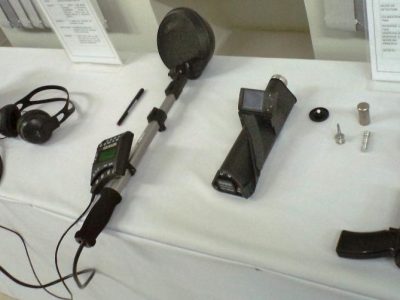
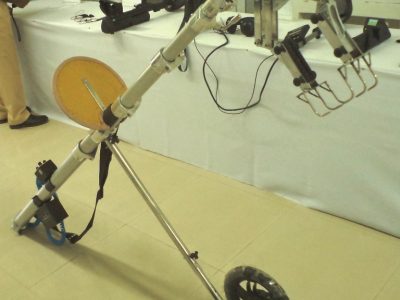
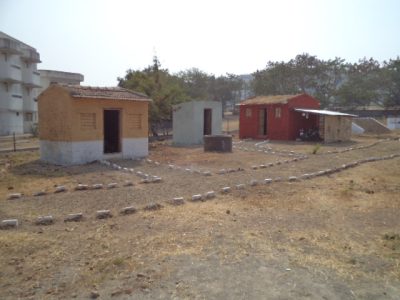
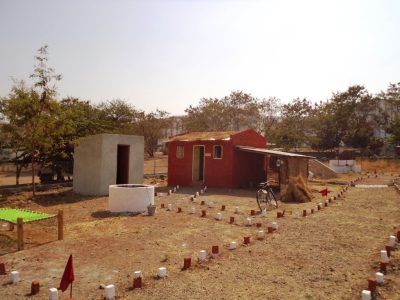
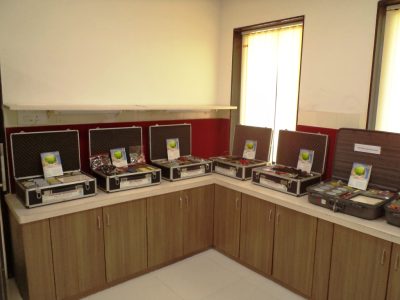
Establishment of IED Model Room and IED Laboratory to introduce security personnel to various aspects of improvised explosive devices to include types, components, history of their usage, etc.
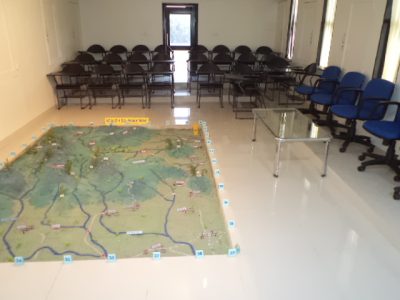
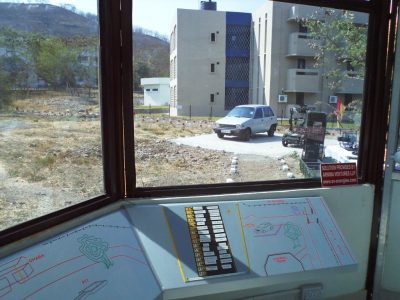
Software based hands on tactical training in an exercise area to include various drills of engaging anti-national elements, identification and disposal of IEDs.
The Horizon Security Training Program
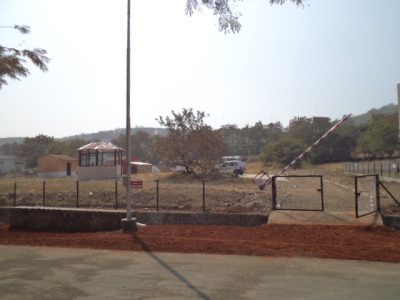
At Horizon, we aim to provide extensive training to security personnel at various levels. We provide equipment, establish the infrastructure and train the trainers of different security organisations. The training may be up to 5 days depending on the size of the infrastructure.
At Horizon, we have provided training to various branches of the Indian security forces including the Indian Army, Indian Navy, Special Forces Command, Rashtriya Rifles, Assam Rifles, CRPF, BSF, Special Protection Group, Commando Training Centre, Gujarat Police, Maharashtra Police, Karnataka Police, Mumbai police, Indian Aviation Academy, various airlines, Bengaluru International Airport, Airports Authority of India, GMR, etc.


The Security Guard Training Modules at a glance

SECURITY GUARD TRAINING
- Duties and responsibilities
- Qualities of a good security officer
- Patrol methods
- Tactical drills to include patrolling, area Sanitization, VIP Security, ambush etc.
- Security communication
- Theft prevention
- Access control
- First aid
The Outcome -
-
To equip participants imbibe the correct etiquette, manners, and behavior needed to maintain professional interactions with the public
-
Training ensures they know how to identify and mitigate potential risks, respond appropriately to emergencies, and provide outstanding security.
TRAINING A GUARD DOG’s
- Preparing to Train Dog to Be a Guard Dog
- Recognize the difference between a guard dog and an attack dog
- Learn about the personality traits of an ideal guard dog
- Ensure dog to follow basic obedience commands.
- Training Dog to Alert Bark
- Choose a trigger word
- Practice the command
- Be firm and clear with the command.
- Create a mock scenario
- Teaching Your Dog the ‘Quiet’ Command
- Train to alternate between the “bark” and “quiet” commands
The Outcome -
- A guard dog, or a watchdog, is trained to protect your property and your family.
- They are taught non-confrontational techniques, such as how to stand guard and how to use their bark to alert you of a stranger or potential danger on your property.
- They will be comfortable and well behaved in non-threatening situations
I E D SECURITY TRAINING
- Introduction to Mine Action
- International Mine Action Standards (IMAS)
- Explosive Theory
- Mine and Explosive Remnants of War(ERW) Clearance Equipment
- Mine Action Safety and Occupational Health Surveys
- Information Management System for Mine Action
- Explosive Ordnance Risk Education
- Victim Assistance
- Stockpile Destruction
- Reports & Documentation
- Management of Mine Action Programme
- Advocacy
- Field Exercise
EXPLOSIVE ORDNANCE DISPOSAL – EOD
This course has been specifically constructed to meet the International Mine Action Standards
Level – 1: The Participants will be able to carry out the explosives demolition of Unexploded Ordnance (UXO), Explosive Remnants of War (ERW) and landmines.
Level – 2: The Participants will be able to operate and lead a team for Unexploded Ordinance (UXO), Explosive Remnants of War (ERW) and landmines.
Level – 3: EOD3 takes individuals to Supervisor level by building on the training of the EOD Level 2 course and their subsequent operating experience to supervise and manage the explosives clearance and remediation of
sites as well as other EOD related incidents